Flexible RF coaxial cable is the cable you reach for when a run has to bend around a corner, snake through a packed equipment cabinet, or connect gear that gets moved and re-patched. In Singapore’s dense rooftops, telecom shelters and data centre risers, that flexibility is often the difference between a clean install and a wrestling match with the conduit. This guide walks through how to choose flexible RF coaxial cable properly, covering bend radius, signal loss, impedance and the right RF connector, so the cable you order actually performs once it is in place.
What Is Flexible RF Coaxial Cable?
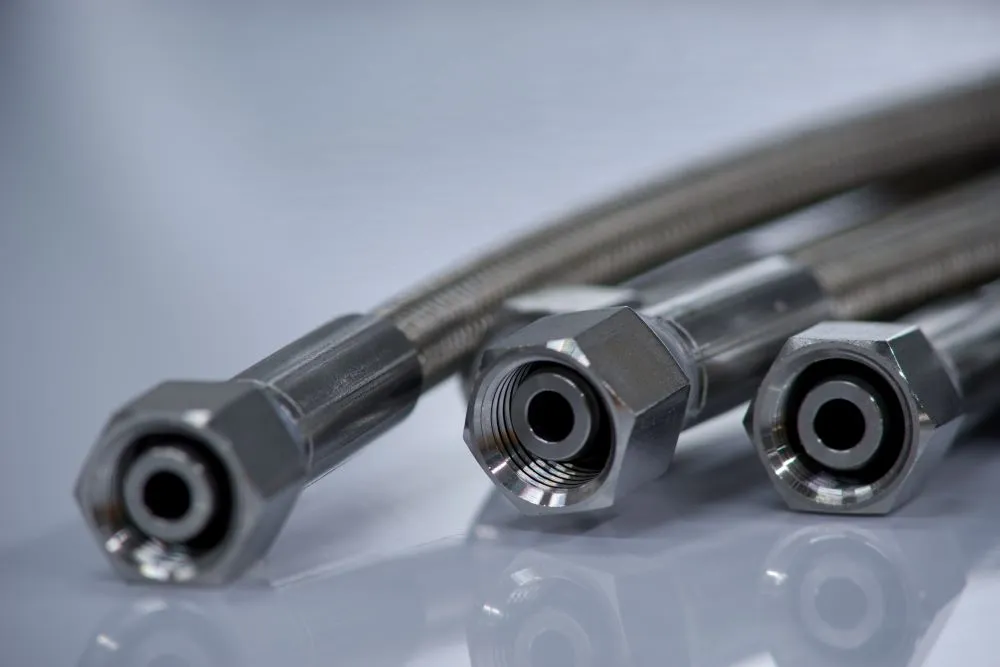
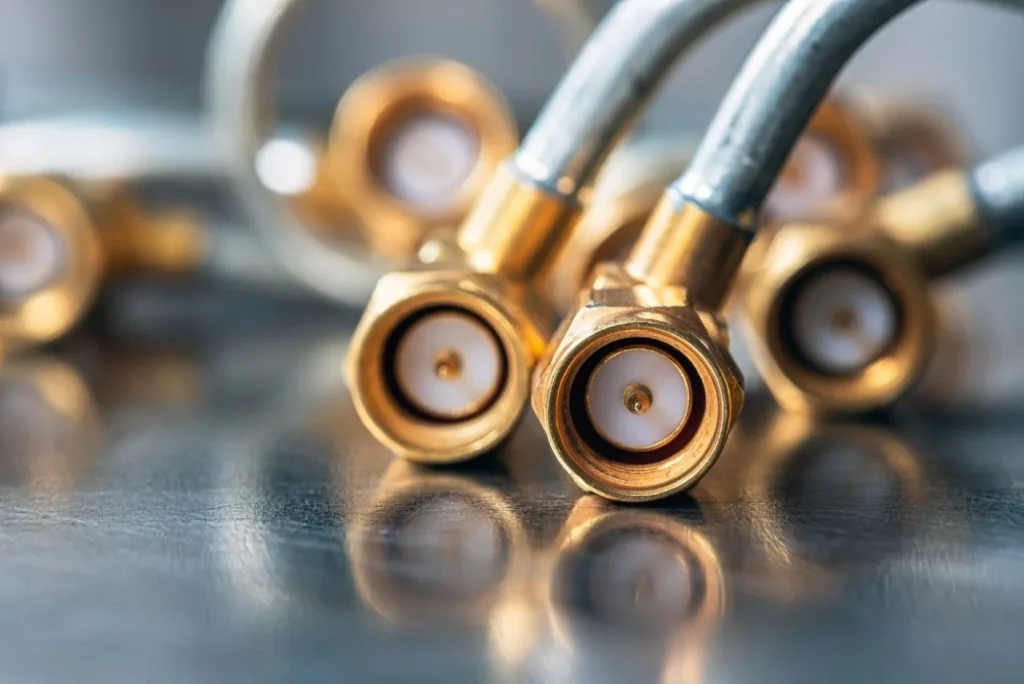
Flexible RF coaxial cable carries high-frequency signals through a centre conductor, a dielectric layer, and a braided outer shield that lets the cable bend without breaking. That braid is the key difference from semi-rigid cable: you can route it by hand, coil it, and reposition it later. It is the everyday workhorse for jumpers, antenna feeder tails, and short links into an RF combiner. If you want the fundamentals of coax construction, our coaxial cable guide covers each layer in more detail.
Flexible vs. Semi-Rigid vs. Rigid Coax
Not every job wants a bendable cable. Rigid and semi-rigid lines hold their shape and lose less signal, but they are far more demanding to install. Here is how they compare:
| Cable Type | Flexibility | Signal Loss | Best For |
| Flexible | High, bends by hand | Moderate | Jumpers, antenna tails, tight cabinets |
| Semi-Rigid | Low, shaped once | Low | Fixed internal RF assemblies |
| Rigid | None | Lowest | Long, permanent feeder runs |
For most Singapore in-building coverage and telecom work, such as retrofits in older CBD towers or rooftop antenna tails, flexible RF coaxial cable wins simply because you cannot force a rigid line around the bends.
Why Flexible RF Coaxial Cable Loses Signal When Bent
This is the question that trips up most buyers, so it earns real attention.
What Is the Minimum Bend Radius?
Every flexible coaxial cable has a minimum bend radius, usually quoted as a multiple of the cable’s outer diameter (often 5x to 10x). Bend it tighter and you physically deform the dielectric inside.
How Does Bending Affect Insertion Loss and VSWR?
When the dielectric deforms, the spacing between the conductors changes, creating impedance mismatches. Those show up as higher insertion loss and worse VSWR (reflected power). In plain terms: a sharp kink means a weaker signal and more of your power bouncing back instead of reaching the antenna. Shield quality matters here too, and our note on how shielding reduces signal loss explains why braid coverage counts.
Why Does Higher Frequency Mean More Loss?
Loss rises with frequency. A cable that behaves fine at 900 MHz can lose noticeably more across the 3.5 GHz 5G bands, so always check attenuation at your actual operating frequency, not just the headline figure on the datasheet.
Matching Flexible Cable to 50-Ohm RF Systems
Almost all wireless infrastructure runs at 50 ohms, so your cable, connectors and hardware should agree. Flexibility and impedance are two separate properties: most flexible RF coaxial cable is also 50ohm RF coaxial cable, but you should always confirm it. A mismatch, such as dropping a 75-ohm cable into a 50-ohm path, reflects power and drags down the whole link. For the full reasoning, read our piece on why 50ohm RF coaxial cable is the standard for RF systems.
Choosing the Right RF Connector
A cable is only as good as its terminations. The RF connector must suit the cable size, the frequency, and the environment:
| Connector | Typical Use |
| N-Type | Outdoor, weatherproof antenna runs |
| SMA | Compact devices, higher frequencies |
| TNC | Threaded, vibration-resistant links |
| 7/16 DIN | High-power base station feeders |
Get the pairing wrong and you introduce loss right at the joint. Our RF connector guide breaks down each interface, while our deeper article on RF connector types in high-frequency applications shows where each one earns its place.
Flexible Coax in Antenna and Combiner Setups
In a typical rooftop or in-building system, flexible RF coaxial cable is the jumper between hardware and the sky. It links a base station to an RF combiner, then carries the combined signal out to a panel antenna or an omni antenna. Short, well-routed jumpers here keep loss low exactly where it hurts most. If you are specifying the surrounding hardware, our panel antenna guide and RF combiner guide make useful companions.
What to Check When Buying in Singapore
- Climate: Outdoor rooftop runs face relentless UV and humidity, so specify a UV-stable, weatherproof jacket.
- Fire code: Indoor cable in risers and ceiling voids should meet the LSZH (low-smoke zero-halogen) standards common in Singapore buildings.
- Attenuation at your frequency: Match the loss figure to your band.
- Loss budget: Total the loss across the full run before committing.
- Termination: Choose between pre-terminated assemblies or field-fitted connectors.
- Lead time: Confirm stock and delivery, often the deciding factor on tight schedules.
Common Specifying Mistakes
The usual culprits behind a disappointing install:
- Ignoring the minimum bend radius
- Not confirming 50-ohm impedance
- A mismatched or poorly fitted RF connector
- Undersized cable for a long run
- Cheap, poorly shielded cable in an electrically noisy environment
Flexible RF Coaxial Cable FAQs
Can flexible RF coaxial cable be used outdoors in Singapore?
Yes, provided you choose a jacket rated for UV and moisture. A standard indoor cable degrades quickly on an exposed rooftop.
What is the difference between flexible and 50ohm RF coaxial cable?
“Flexible” describes the physical build; “50 ohm” describes the impedance. Most flexible RF coaxial cable is 50 ohm, but always verify both.
How tight can I bend it?
No tighter than the manufacturer’s minimum bend radius, quoted as a multiple of the cable diameter. Tighter bends raise loss and VSWR.
Is flexible coax suitable for 5G?
Yes, as long as the cable is rated for the frequency and you keep runs short to manage higher-frequency loss.
Where can I buy flexible RF coaxial cable in Singapore?
Petracarbon supplies flexible RF coaxial cable and related RF products locally.